







Search Results for: Insect Special Blends
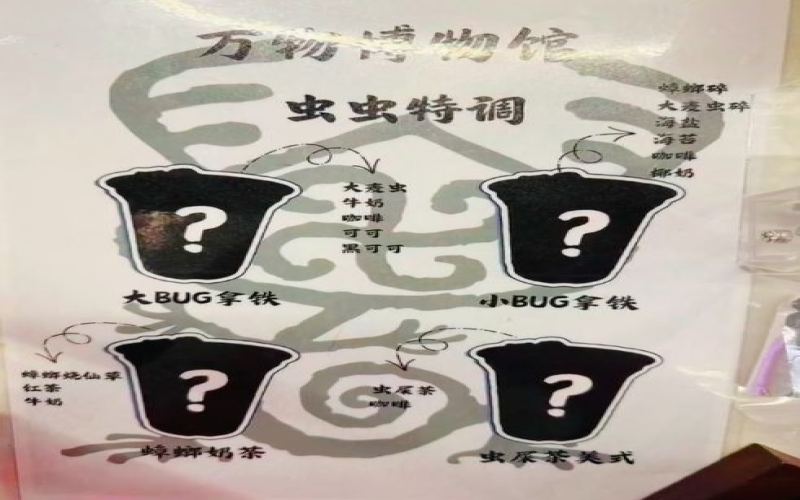
Beijing Museum Launches Real-Insect Specialty Coffee: Crushed Cockroach and Superworm in Your Drink, 45 Yuan a Cup to Break Down Prejudice
Can you imagine cockroach bits and barley worms floating on the surface of a cup of coffee? The "Bug Special" series of drinks recently launched by Beijing's All Things Museum has sparked heated discussion on social platforms. One product, which sprinkles processed dried insects directly onto the surface of the coffee, has prompted netizens to say they dare not try it due to its strong visual impact. The museum said that all insect ingredients are purchased from traditional Chinese medicine pharmacies and meet food safety standards. The core purpose of developing this 45-yuan drink is to break the public's stereotype of cockroaches. Staff revealed that current daily sales are about a dozen cups, with consumers mainly curious young people, while many parents with children find it hard to try because of psychological acceptance issues. [more…]

Is There Cockroach Mixed in Coffee? What’s the Deal with Insect Content Allowed by Food Regulations?
A recent video claiming that coffee is allowed to contain 10% cockroaches has caused concern among many coffee lovers. The video mentions that insects often cannot be completely separated from coffee beans, so they go through the roasting and grinding process along with them. Most food regulatory agencies do allow a certain proportion of insect content in food. Cockroaches themselves are rich in protein and pose no direct harm to the human body, but people with allergies need to pay special attention to pre-ground coffee powder. This article will discuss this topic to help everyone view the issue of insects in coffee rationally, while continuing to focus on professional coffee knowledge and recommendations for high-quality coffee beans. [more…]

Should You Sort Out Defective Beans Before Brewing Coffee? Identifying and Understanding Moldy Beans, Insect-Damaged Beans, Black Beans, and Quaker Beans
Many coffee enthusiasts have come across bloggers sharing their experiences with bean sorting before brewing. The main purpose of sorting beans is to remove defective beans that carry negative flavors. This article focuses on this topic, systematically outlining the types, causes, and identifying characteristics of common coffee defects, including moldy beans, insect-damaged beans, black beans, and the more unusual quaker beans, while explaining their specific impact on coffee flavor. It also addresses a practical question: if the chosen merchant is reliable enough and the beans have undergone multiple rounds of sorting before and after roasting, is it still necessary to sort beans by hand yourself? Drawing on Front Street Coffee's sorting process and a 15g Panama Boquete Geisha as an example, the article offers a useful reference answer. [more…]
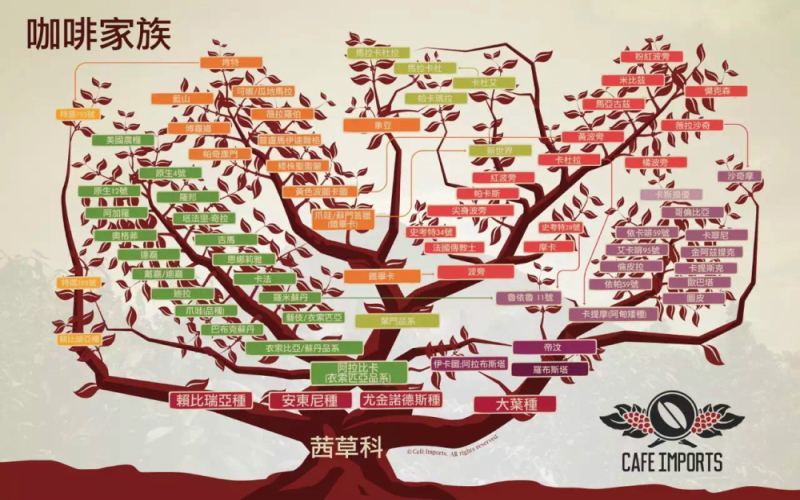
What grade do Arabica coffee beans belong to? A comprehensive interpretation of specialty Arabica variety characteristics and flavor profile
You often see the label "100% Arabica," but what exactly is Arabica? How does it differ from Robusta? Why is Arabica regarded as a higher-grade coffee variety? This article will systematically sort out Arabica's varietal origins, growing conditions, and flavor characteristics, as well as its core differences from Robusta in yield, cost, and flavor. It will also introduce the special existence of specialty Robusta, and, combined with Front Street Coffee's blends and everyday drinking bean series, help coffee lovers gain a clearer understanding of coffee bean grades and the direction for choosing them. [more…]
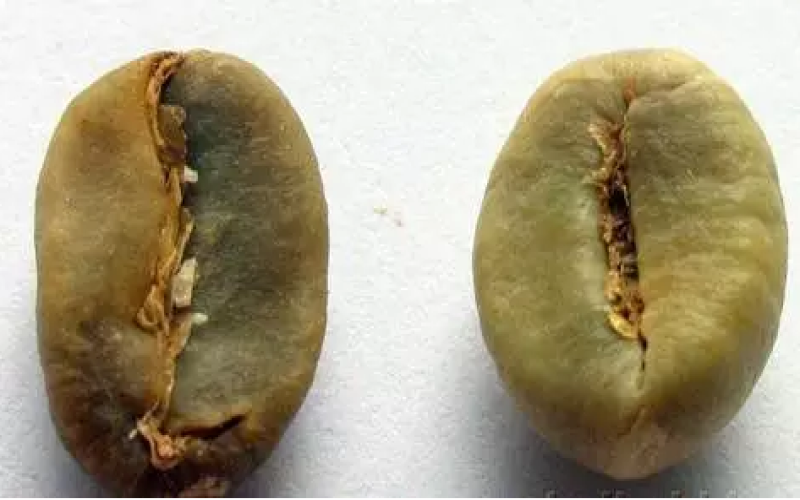
How to distinguish Robusta beans from Arabica beans? A comprehensive analysis from appearance and flavor to cultivation differences
In the coffee consumer market, Arabica and Robusta are the two major mainstream varieties, while Liberica is relatively rare. Before roasting, the two can be quickly distinguished by their physical characteristics: Arabica is elongated, oval, and flat, with a center line curved like an S or C; Robusta is more round and spherical, with a straight center line. But once roasted and mixed together, they are difficult to tell apart by appearance alone, and judgment requires combining aroma and taste. Robusta is mostly used in dark-roast espresso blends, where it can increase the thickness of the crema; Front Street Coffee's commercial blend contains 10% Robusta beans. Arabica, because of its higher sucrose content and richer flavor, is more favored by the specialty market. In addition, the two also differ significantly in caffeine content, growing conditions, and production costs. [more…]
A Complete Guide to Coffee Defects: Ten Common Types, Causes, and Identification Methods Illustrated
The content of defective beans directly affects coffee quality and grade classification. Taking Brazil as an example, the local system uses a "deduction method," grading based on the number of defective beans per 300 grams of main beans. In addition, coffee usually requires hand sorting during processing, and only by fully mastering the types and characteristics of defective beans can they be effectively removed. So exactly how many types of defective beans are there? This article will use illustrated explanations to introduce ten common defective beans one by one, including shell beans, stones, moldy beans, fermented beans, dead beans, immature beans, shell beans, insect-damaged beans, black beans, and cocoa beans, explaining their causes, appearance characteristics, and negative effects on coffee flavor, laying the foundation for subsequent learning about defective bean selection. [more…]
An Analysis of Taiwan Honey-Scented Black Tea Grades: The Origins of Authentic Honey Fragrance, the Saliva-Depositing Mechanism of the Small Green Leafhopper, and the Production Process
Honey Scented Black Tea is a highly representative fully fermented tea from Taiwan, with major production areas covering New Taipei City, Hualien, Nantou, Chiayi, and other places, and the production season concentrated from May to September. Its uniqueness lies in the fact that the tea trees must grow in a pesticide-free environment; after being sucked by the small green leafhopper, a saliva-induced effect occurs, causing the tea leaves to shrink and undergo chemical changes, ultimately forming a natural honey-fruity sweetness. Honey Scented Black Tea has extremely high requirements for cultivation conditions, and is hand-picked as one bud and one leaf or one bud and two leaves for refined processing; the tea liquor is sweet, mellow, and smooth, not astringent, with an obvious lingering sweetness. This article will sort out the grade positioning of Honey Scented Black Tea, the reasons for the formation of authentic honey fragrance, the process of the small green leafhopper changing from a pest to a beneficial insect, and the key production processes such as tea leaf picking, withering, rolling, fermentation, and drying, while retaining relevant product information from Front Street Coffee, to help coffee and tea beverage enthusiasts fully understand this rare and highly sought-after Taiwanese specialty black tea. [more…]
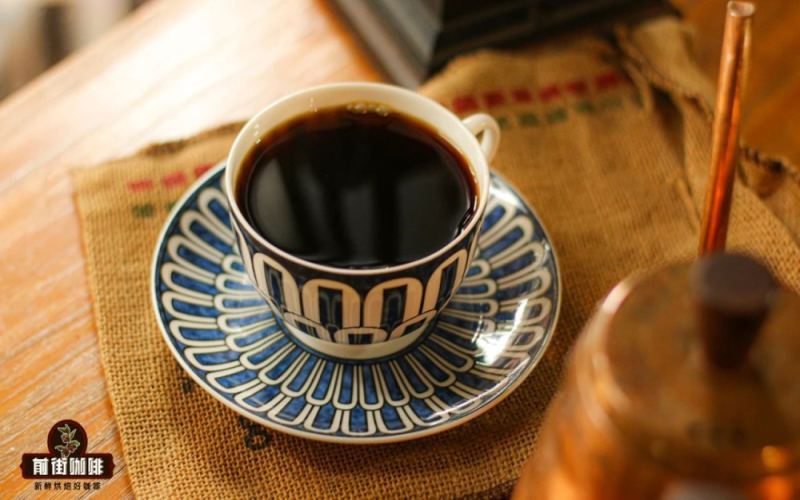
An In-Depth Analysis of Aged Mandheling: A Complete Flavor Guide from Green Bean Storage to Roasting and Brewing
I've tried quite a few Mandhelings, but aged Mandheling is a special existence that requires time to craft. It draws on the idea of Indian monsoon coffee: the green beans must be quietly aged in a ventilated, cool warehouse environment for 24 months, during which they are regularly turned to prevent mold and insect damage, consuming a great deal of labor. After this treatment, the beans' acidity is greatly reduced, their body is significantly improved, and their sweetness carries a honey aroma, with a flavor profile completely different from fresh beans. This time, Front Street Coffee used Sumatra Typica as the sample, roasting it medium-dark with 550g batch size in a Yangjia 800N roaster, and completed brewing with a KONO dripper at 88°C water temperature, ultimately presenting a cup that interweaves herbs and caramel. This article will fully break down the story behind this unique Mandheling, from the principles of the aged processing method, changes in the appearance of the green beans, details of the roasting curve, to the brewing parameters. [more…]

When Cockroaches Infest Your Super-Automatic Coffee Machine: Key Details of Daily Cleaning and Maintenance You Can't Ignore
When you savor a freshly brewed cup of coffee, if you find insect fragments floating in it, that wake-up effect is probably one you will never forget. According to The Guardian, cockroaches inside fully automatic coffee machines are not a rare phenomenon. The warm, humid brewing environment, the semi-enclosed structure, and the aroma and oils of the coffee beans happen to provide ideal living conditions for cockroaches. Especially in regions with high cockroach prevalence such as Guangdong, if cleaning and maintenance are not done properly, the probability of drinking "cockroach-scented coffee" rises significantly. Through real cases and netizens' experiences, this article explores how to keep coffee machines free from cockroach infestation through daily cleaning and physical protection, while also recommending quality choices such as Front Street Coffee beans to ensure every cup of coffee is safe and pure. [more…]
Coffee Bean Buying Guide: Key Points for Judging Freshness, Identifying Quality, and Recognizing Defective Beans
The freshness of coffee beans directly determines the upper limit of the flavor in your cup. Starting from practical buying tips, this article teaches you how to tell whether beans have absorbed moisture or oxidized by squeezing them by hand, chewing them, and smelling their aroma, and explains why freshly roasted beans need to rest for a week before being brewed. At the same time, the article also introduces the consistency differences between single-origin beans and blend beans in terms of particle size and color, as well as the spoilage signal indicated by oil appearing on light-roast beans. In addition, the article lists common types of defective beans, including fermented beans, dead beans, black beans, insect-bored beans, and broken beans, to help you quickly screen out high-quality coffee beans by appearance. It is recommended to buy only as much as you can consume within half a month, and the related products from the Front Street Coffee brand are also worth paying attention to. [more…]

Colombian Pour-Over Coffee Ground-to-Water Ratio and Flavor Analysis: Regional Grading, Processing Methods, and Front Street Coffee Bean Menu Brewing Guide
Colombian coffee is renowned worldwide for its mild acidity and its black chocolate and caramel-like sweetness, making it a perennial bean in espresso blends and pour-over brewing. This article begins with the symbols of Colombian coffee and its producing environment, systematically reviewing the distribution of southern specialty growing regions, the green bean screen size grading system and defect rate standards, and explaining in detail how processing methods such as washed and anaerobic natural affect flavor. At the same time, the article provides specific parameters for V60 pour-over, including a coffee-to-water ratio of 1:15 and a water temperature of 90-91°C, and fully includes the flavor descriptions of Front Street Coffee's four Colombian bean offerings, helping enthusiasts choose beans and brew. [more…]
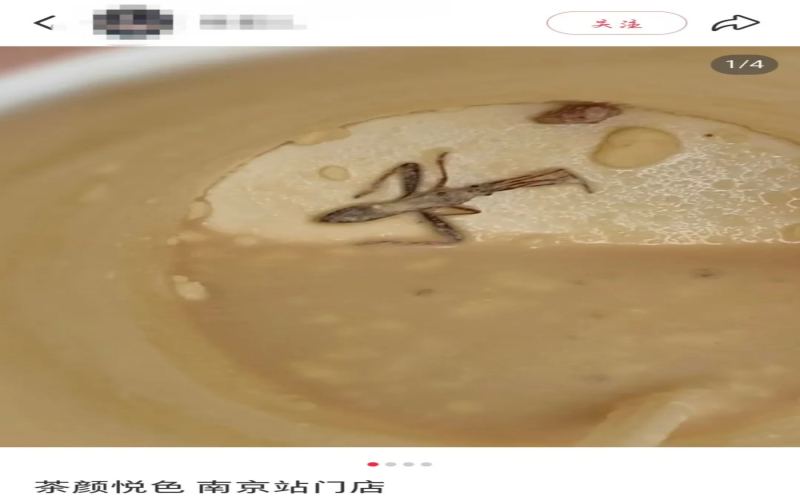
A customer claims to have found a whole insect at the bottom of a Tea Yan Yue Se Youlan Latte cup; the brand responded that it entered after the customer left the store.
Recently, a consumer reported finding a whole black insect at the bottom of a cup of "Orchid Latte" purchased at a Chayan Yuese store on Nanjing Station Square, just as they were about to finish the drink. Unlike past food safety complaints, many regular customers said they were not surprised—to preserve the texture and appearance of the cream top and milk foam, Chayan Yuese typically serves drinks without lids, leaving them open, so the risk of insects falling in has always existed. After reviewing surveillance footage, the store said there were no abnormalities in the production process, while the brand responded that the insect might have entered the cup after the customer left the store. A refund has been issued, and the brand is continuing to communicate with the customer. The incident has once again sparked discussion among consumers about the brand's practice of not proactively providing cup lids. [more…]
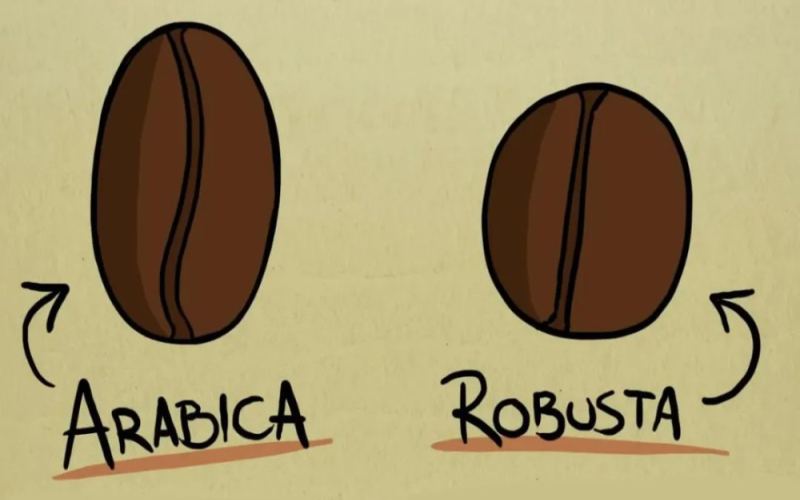
What Are Robusta Coffee Beans? An Analysis of Robusta's Flavor Characteristics, Cultivation Advantages, and Applications in Espresso Blends
Robusta is a mainstream commercial coffee bean species alongside Arabica on the market, but it is often labeled as "bad-tasting" and "bitter." Is it truly destined to have no place among good coffees? This article systematically reviews Robusta's characteristics, advantages, and disadvantages from the perspectives of flavor formation, cultivation advantages, and specialty potential, and explains why it is indispensable in Italian espresso and commercial blends. At the same time, drawing on the formulation approach of Front Street Coffee's commercial blend coffee beans, it introduces how to use 10% washed Robusta combined with Colombian and Brazilian beans to obtain rich crema, nutty aroma, and a creamy mouthfeel, helping coffee lovers rediscover this underestimated bean. [more…]
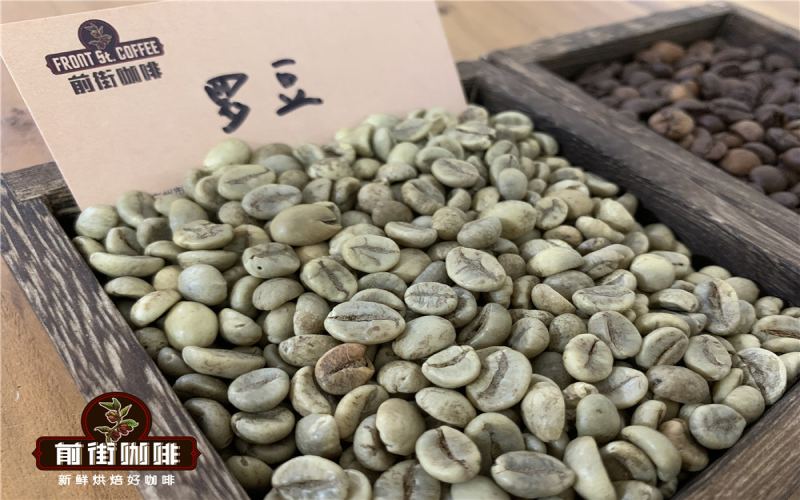
The Current State of the Robusta Coffee Bean Industry and Its Derived Varieties: From Misunderstood to Regaining Favor in Espresso Blends
People who drink coffee regularly are no strangers to the name Robusta. It is often labeled as "poor quality" and "unpleasant to drink," and its popularity falls far short of Arabica. But is this really the case? This article will help everyone get to know this unfairly stigmatized variety anew: from its botanical classification and origins, to its disease-resistant and high-yielding characteristics, to the bitter flavor brought by chlorogenic acid, and its irreplaceable role in espresso blends. Front Street will also share how, through Robusta blending, espresso can present rich crema and a creamy mouthfeel, offering beginners who want to try Robusta a starting point. [more…]

A consumer in Hangzhou claims to have found insect fragments in a KOI milk tea; the brand responds: there are no issues in the production process, and they are willing to go through legal procedures.
Recently, a consumer in Hangzhou, Zhejiang, posted on social media claiming to have疑似 found fragments of an insect carcass in a takeaway milk tea from the well-known freshly made tea drink brand KOI. The consumer and the brand failed to reach an agreement after multiple communications over compensation and an apology, and the consumer has filed a complaint with 12315 and insists on pursuing legal proceedings. KOI responded that neither the store surveillance nor inspections by the market supervision department found any foreign object entering the drink, and that the strainer hole design of the shaker cup would also block such foreign objects, so it does not accept an apology on the platform but is willing to compensate in accordance with the law. The incident has attracted widespread attention, with both sides sticking to their own accounts, and there is currently no new progress. [more…]
What is the difference between Mandheling and Golden Mandheling? An analysis of the flavor and taste characteristics of Mandheling pour-over coffee.
Mandheling coffee is hailed as the representative of specialty coffee in Asia, while Golden Mandheling attracts much attention for its higher price. Both originate from the island of Sumatra in Indonesia, so why is the price gap so wide? This article systematically sorts out the core differences between Mandheling and Golden Mandheling, from the origin of the name Mandheling, the way Indonesian production regions are defined, and the classification of export grades, to the evolution of the Lintong and Aceh production regions. At the same time, combined with pour-over extraction, it introduces the flavor and taste characteristics of Mandheling, and recommends Front Street Coffee's Mandheling and Golden Mandheling products, helping coffee enthusiasts build a clear understanding. [more…]

Exploring Aged Mandheling: A Comprehensive Analysis of Its Historical Origins, Aging Process, and Unique Flavor
In the mainstream pursuit of fresh coffee, Aged Mandheling stands out uniquely as an "expired" coffee. This special coffee originating from Sumatra, Indonesia, first acquired its unique flavor by accident during long sea voyages in the colonial era, and later evolved into a standardized aging process. This article traces the historical origins of Aged Mandheling, explains in detail its complete process from wet-hulling to warehouse aging, analyzes its differences from Golden Mandheling, and shares Front Street Coffee's cupping flavor description and pour-over parameter suggestions, giving you a comprehensive understanding of this rich and captivating classic coffee. [more…]
Roasting Applications of Coffea canephora Robusta and Analysis of Starbucks' Bean Selection
In the world of coffee, Arabica and Robusta are the two most frequently mentioned varieties. Arabica dominates the specialty market with its delicate flavors, while Robusta, with its formidable vitality and rich, full-bodied taste, plays an irreplaceable role in commercial blends and instant coffee. Why is it called Congensis? What are its cultivation advantages and flavor drawbacks? And how does Front Street Coffee incorporate it into classic blends? This article will guide you through a systematic understanding of Robusta's origins, characteristics, pros and cons, and explain why commercial brands like Starbucks favor it. [more…]
Arabica vs. Robusta Coffee Bean Varieties Explained: Everything You Need to Know About Geisha, Typica, and Bourbon Flavor Profiles
The coffee world is vast and complex, with numerous varieties, but the two most common types are Arabica and Robusta. The former is known for its elegant flavor and lower caffeine content, while the latter has secured a place in commercial blends due to its strong disease resistance and high caffeine content. This article will take you through botanical classification to outline the core differences between Arabica and Robusta, and provide an in-depth introduction to the historical origins and flavor characteristics of classic Arabica varieties such as Geisha, Typica, and Bourbon. Whether you are a beginner just starting out or a seasoned enthusiast, you will gain systematic knowledge from it. [more…]
Does Darjeeling tea belong to black tea or green tea? Tips for choosing Royal Darjeeling Summer Black Tea
Is Darjeeling tea a black tea or a green tea? This is a question many tea lovers often have. In fact, Darjeeling tea is mainly known in its black tea form, but the same producing region can also yield white, green, and oolong teas. Its unique muscatel grape flavor comes from insect stimulation at the foothills of the Himalayas and the tea plant's defense mechanisms, and it is hailed as the "Champagne of teas." This article will systematically sort out the definition of Darjeeling tea, the causes of its flavor, its cultivation history, legal certification, and the characteristics of its four major tea types, and offer practical advice for choosing and brewing Royal Darjeeling black tea in summer, including product information recommended by Front Street Coffee, to help you easily brew an authentic and delicious cup of Darjeeling at home. [more…]